 Alison Gopnik People
Alison Gopnik People
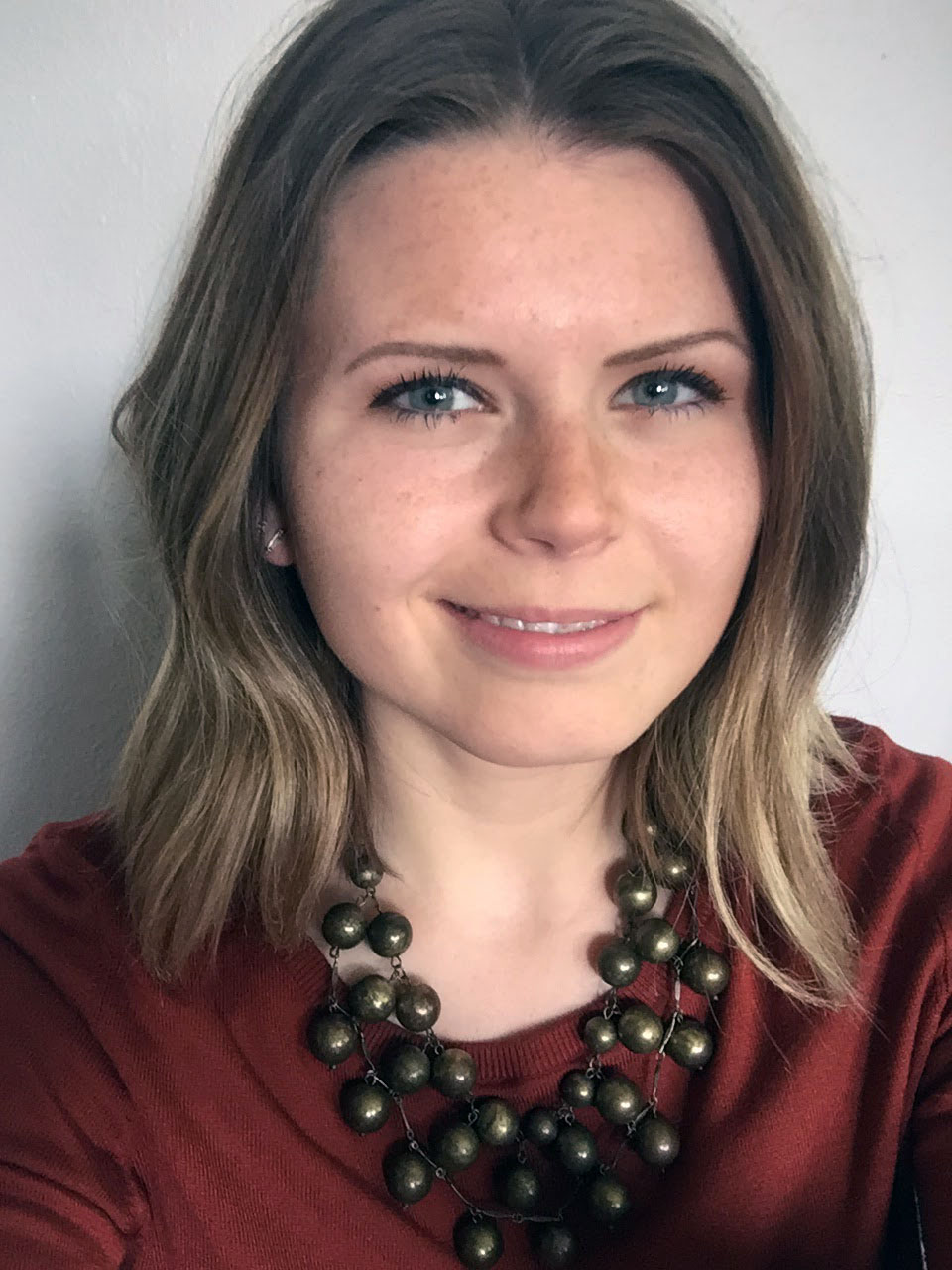 |
Sarah de la Vega Hi! I'm Sarah, the Lab Manager for Dr. Gopnik's Cognitive Development Lab. I graduated from UNC Chapel Hill and moved soon thereafter to Berkeley. I hope to investigate how different pedagogical styles and tactics may promote effective learning for children with learning disabilities. I am especially interested in how different pedagogical structures affect later outcomes in development for these children. |
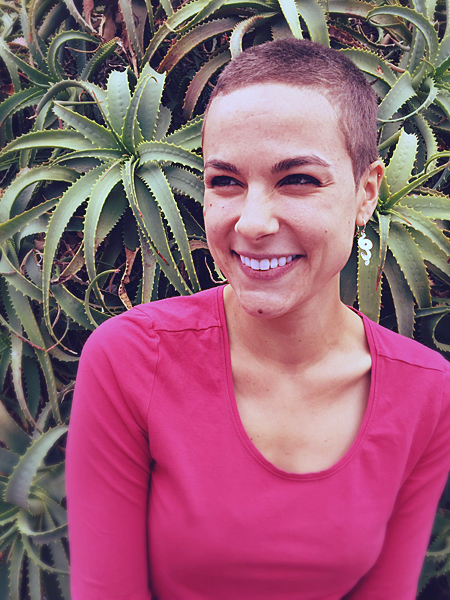 |
Mariel Goddu I’m interested in how children and adults generate and flexibly update their hypotheses, especially in light of evidence that prompts larger conceptual revision. We often reason about causes and effects without considering the “background” in which these relations are embedded—i.e., the rules, norms, and larger causal structures or systems that govern them. How does “foregrounding” such information impact our causal reasoning, counterfactual thinking, and explanatory judgments? I’m interested in how these and broader questions about mental representations of causality and modality may feature in topics such as science education, creative innovation, and paradigm shifts in scientific thought. |
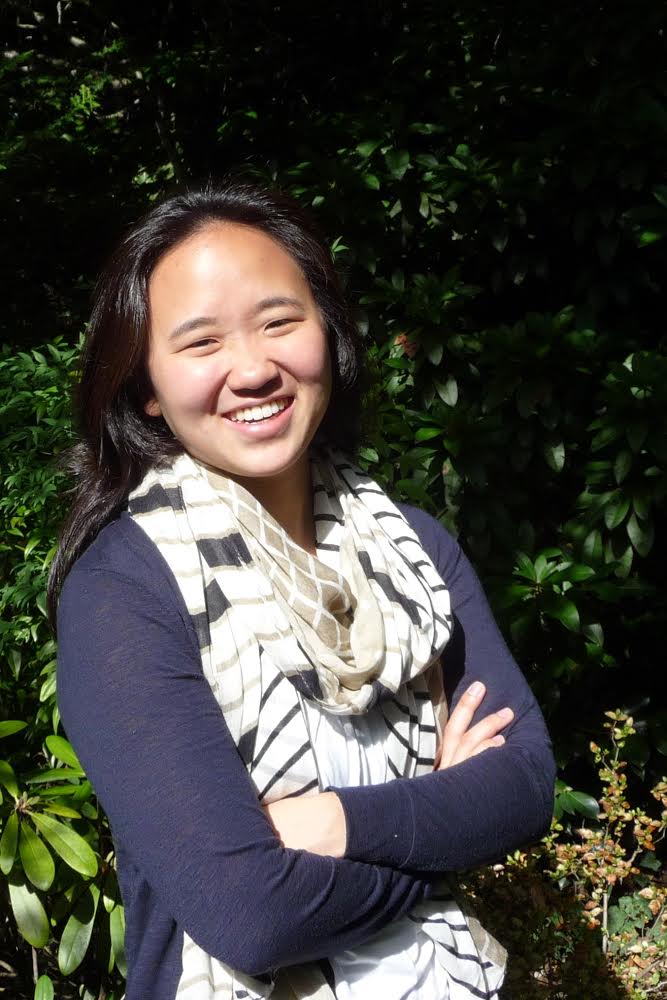 |
Katie Kimura My research interests, broadly defined, are informed by two closely related questions about conceptual development: 1) how do children acquire abstract knowledge, such as complex causal relations, and 2) once children acquire this knowledge how does it interact with their existing beliefs to revise their theories about the world and facilitate the acquisition of new concepts? My work thus far explores abstract knowledge from the perspective of categorical relational learning and word learning (e.g., number word learning and adjectival word learning). Future work, however, will continue to expand upon these questions by examining other kinds of abstract knowledge including causal reasoning. |
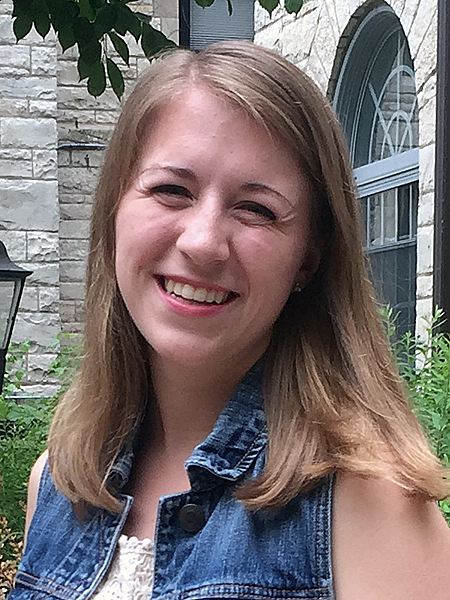 |
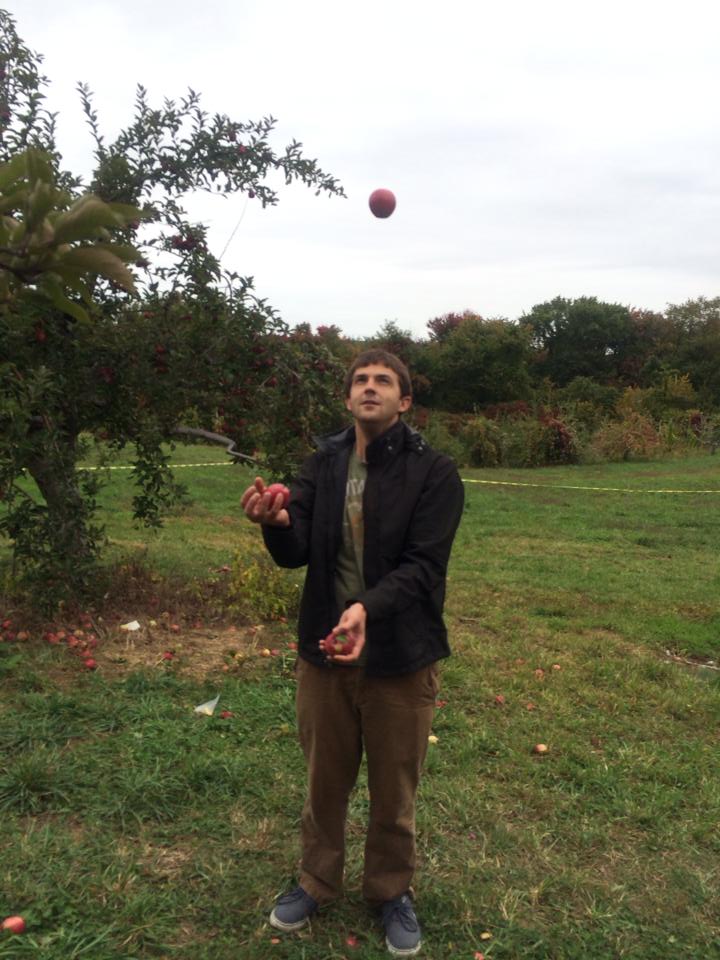
Emily Liquin I’m interested in learning and problem solving in adults and children. Specifically, I plan to research the strategies that we use to gain information about the world and to integrate that information into our existing knowledge. I am also interested in creative cognition, and would like to explore how children and adults generate creative solutions to difficult problems, as well as how this relates to other methods of problem solving. I also work in Tania Lombrozo’s Concepts and Cognition Lab, where I study the mechanism by which the act of explaining facilitates generalization on the basis of causally relevant properties. |
 |
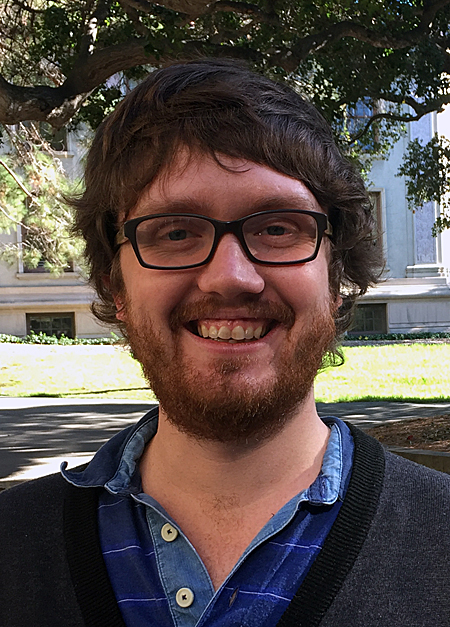
Shaun O'Grady Hi, my name is Shaun and I am interested in learning more about the development of social cognition. As a first year graduate student in the Alison Gopnik's Lab I plan to study how young children reason about other people’s actions, thoughts, and emotions. I would also like to investigate how these reasoning abilities change over time to allow children, adolescents, and adults to navigate increasingly complex social interactions such as communication, pedagogy, and joint action. |
 |
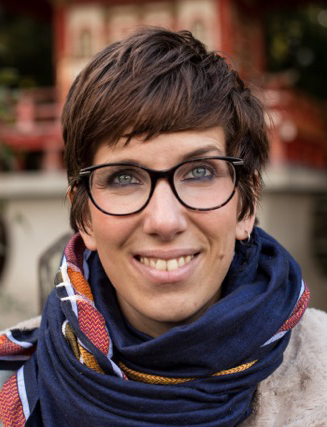
Zac Irving PhD I am a Postdoctoral Fellow in Alison Gopnik's Cognitive Development Lab at the University of California, Berkeley and a frequent collaborator with Kalina Christoff's Cognitive Neuroscience of Thought Lab at the University of British Columbia. I received my PhD in Philosophy from the University of Toronto, where I developed one of the first philosophical theories of mind-wandering. My theory focuses on the dynamics of thought: in particular, why the wandering mind drifts from one topic to another. My postdoctoral research extends this project in two related directions, which lie at the intersection of philosophy, developmental psychology, and cognitive neuroscience. My research with Professor Gopnik focuses on the similarities between adult mind-wandering and how children's thinking and imagination. I am studying whether mind-wandering can induce child-like thinking in adults, improving performance in situations where children learn more flexibly than adults. |
 |
Dr. Azzurra Ruggeri How do young children learn so much about the world, and so efficiently? My research investigates how children actively seek information in their physical and social environments as evidence to test and dynamically revise their hypotheses and theories over time. My program explores the development of active learning across the life span, analyzing the effectiveness of children’s information search and hypothesis testing strategies, such as question asking and selective exploration, and identifying potential sources of developmental change. In particular, my work inaugurates the developmental investigation of “ecological learning”, defined as the ability to flexibly and dynamically select those active learning strategies that maximize learning efficiency in different learning environments. Finally, I am interested in developing an approach to classroom learning that leverages children’s active learning strategies and theory-building abilities and harnesses them to inform education policy. |
 |
Dr. Caren Walker My research explores how children learn and reason about the causal structure of the world. In particular, I am interested in how even very young learners are able to acquire abstract representations that extend beyond their observations, simply by thinking. How is "learning by thinking" possible? What does this phenomenon tell us about the nature of early mental representations and how they change? To begin to answer these questions, my work to date has focused on a suite of activities that impose top-down constraints on human inference, focusing on phenomena that are characteristic of learning in early childhood. My current research includes learning by analogy, by explanation, and by engagement in imaginary worlds. My work is interdisciplinary, combining perspectives in psychology, philosophy, education, and computational theory. Dr. Walker was co-advised by Drs. Gopnik and Lombrozo, and is now a faculty member in the Department of Psychology at the University of California, San Diego, and PI of the Early Learning & Cognition Lab See www.carenwalker.com. |
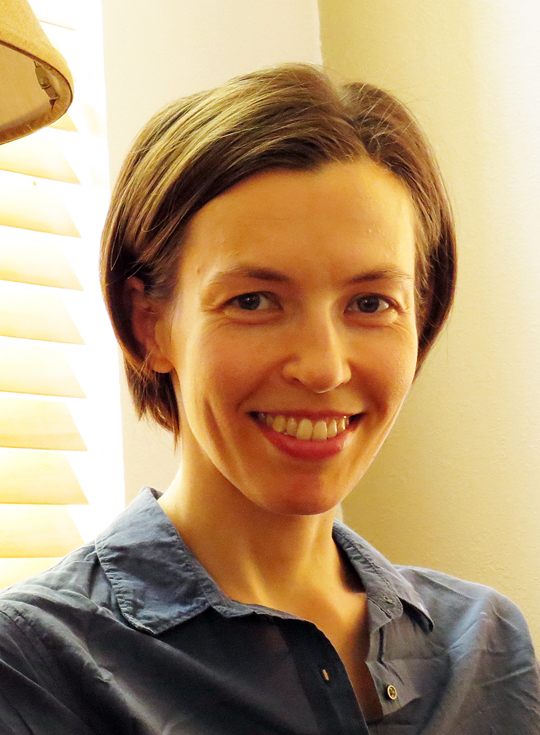 |
Nadya Vasilyeva PhD I am a postdoctoral researcher in Professor Alison Gopnik's Cognitive Development Lab and Professor Tania Lombrozo's Concepts and Cognition Lab. I study explanation and causal reasoning in adults and across development. I approach explanation both as a process and a product: I investigate cognitive consequences of engaging in explanation (process) and of producing different types of explanation, such as formal, causal-mechanistic, teleological, structural, mathematical, etc., of different levels of complexity (product). My research on causal reasoning examines the role of stability, or robustness of causal relationships across varying background circumstances. In my current research projects, I explore how explanation and causal reasoning contribute to learning, inductive inference, and decision-making, and how this relationship varies with context, domain-specific experience and development. See nadyavasilyeva.weebly.com. |
 |
Adrienne Wente My research focuses on how children develop an understanding of every day causal events in the world, both social and physical. I am interested in the interaction between innate constraints on conceptual development and cultural learning processes. I have been working on a series of studies that compare Berkeley children to children in China. These studies explore the development of causal attributions for social and physical events and the development of beliefs about free will. Future work will explore the relationship between culture, learning, and early education curriculum in Peru and the U.S. |